Tag: Andalusia

Mi Pueblo: Chite
by GYM HALAMA 
In 1970 I lived in the hills behind Marbella with the Australian Architect Donald Grey, who was building villages along the coast in the traditional Andalucian style. He opened my eyes to this fantastic landscape, taking me to Ronda, Seville, Cordoba and to Gerald Brennan’s Yegen in the Alpujarra mountains.
My dream was to return one day and make it my home, and in 1991, on a ten day holiday, I found a little house in Chite, remortgaged my council flat in World’s End, London and moved down permanently in 1995.
With enough to live on for six months I found jobs gardening, cleaning and decorating. I painted at my easel for a year and put on my first exhibition in Durcal, gaining commissions and selling enough paintings to encourage me to keep going. I drifted back into the film business which was booming, and was able to make a life for myself here.

The village is quiet, because it leads only to the orange, lemon, olive and almond groves, and is surrounded by the foothills of the Sierra Nevada. It is brilliantly located, 20 mins from Granada with masses of history and culture, 30 minutes from the beach and skiing in winter, and the Alpujarra villages with their flat roofed dwellings are less than an hour’s drive away.
I love the Arab influence of this part of Spain: I am transported by the music and dance,(coming from a dancing family) walking around the Albaycin in Granada and everywhere I look, the unspoilt mountains are a backdrop wherever I go. There have been some wonderful old characters milling around over the years: “The man with long arms” and two very short brothers with a mule, one of which I have painted several times. When he asked to buy one of these watercolours, I gave him a more than reasonable price for it; he took out three rusty old nails from his pocket and handed them to me as a deposit! : ” I’ll take these to the bank immediately,” I said.
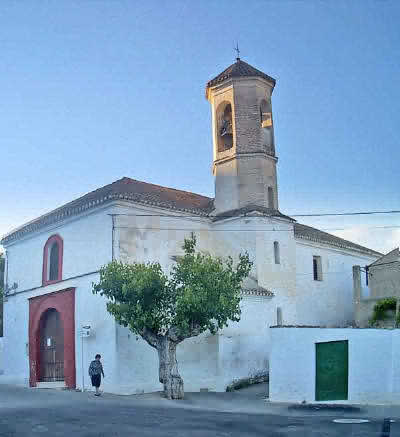 My newest fan is a parrot who sends me wolf whistles all the way to my door as soon as he hears me park my pick up by the church!
While Chite doesn’t have any shops (except my Camel Stop) or bars of its own, it is walking distance from Lecrin with all its bars, banks, shops, pharmacy, supermarket and petrol station.
If you are a drinker, (I gave up ten years ago) after a few glasses of mosto, you can walk home in fifteen minutes and clear your head.
The locals are as friendly as any other small rural community and money isn’t the prime incentive here. I have been treated over the years, first with suspicion (a woman living on her own) and later with respect, and even though I will always be a “Guiri”, my immediate neighbours accept me as a hard-working, eccentric artist and I’m happy with that!
 Gym Halama is an artist and special effects (FX) and interiors painter who has worked on countless commercials, films and music videos, as well as creating amazing backdrops and themes for events and parties. She runs The Sandpit Club in Chite (barrio bajo) as a venue for events and gallery space and also owns The Camel Stop, in C/ Carniceria in upper Chite, which is an Aladdin’s cave of reloved furniture, artwork, vintage jewellery and clothes, nik naks, decorative knobs and fixtures, ornaments and all sorts of other interesting things. Open on Tuesdays or by appointment. To read more about Gym Halama, go to www.gymhalama.com.
More about Chite:
Chite is one of the Lecrin Valley’s smaller villages with only around 300 inhabitants. It’s built on the side of a hill leading to the orchards below that lead down to Lake Beznar. Separated into two barrios, the barrio alto (upper) and barrio bajo (lower), the village winds down from the mirador seats at the entrance of the upper village with incredible views down to Lake Beznar and the dam, past the plaza and down calle San Segundo into Calle Fuerte or Carniceria until you start on the sharp descent into the lower barrio, past the church and into the orchards beyond.
Chite’s recent claim to fame is Jose Guerrero, the artist, who grew up in the village with his siblings and grandmother, but there are a number of historic buildings dotted around the village: Three ancient mills that date back to the Moors and one even to the Romans and one which then became part of the Spanish Inquisition, el Molino de la Inquisicion. There is also a 500 year old house that was previously used by the Spanish Royal Family as a holiday residence and an old moorish castle, the Castillo de Morisco.

Mi Pueblo: Restabal
This is the first in a series of mini articles from local residents to give you a picture of what each village is like…
Mi Pueblo – Restabal, by Danielle Gouwens
Let’s start with some facts: Restabal is a smallish village in the municipality of El Valle, together with Saleres and Melegís. It’s set in the heart of the ´Lecrin Valley´, which apparently means the “Valley of Happiness”, although there are some other thoughts as to its origin. They say the Valley was given its name by the Moors and I reckon it’s one of the most appropriately named areas of Spain!
Restabal has a population of 517 inhabitants (last count!) and is situated at an altitude of 541.1 meters above sea level. The inhabitants of Restabal are called Restabeños and even have their own dialect (Restabalín).
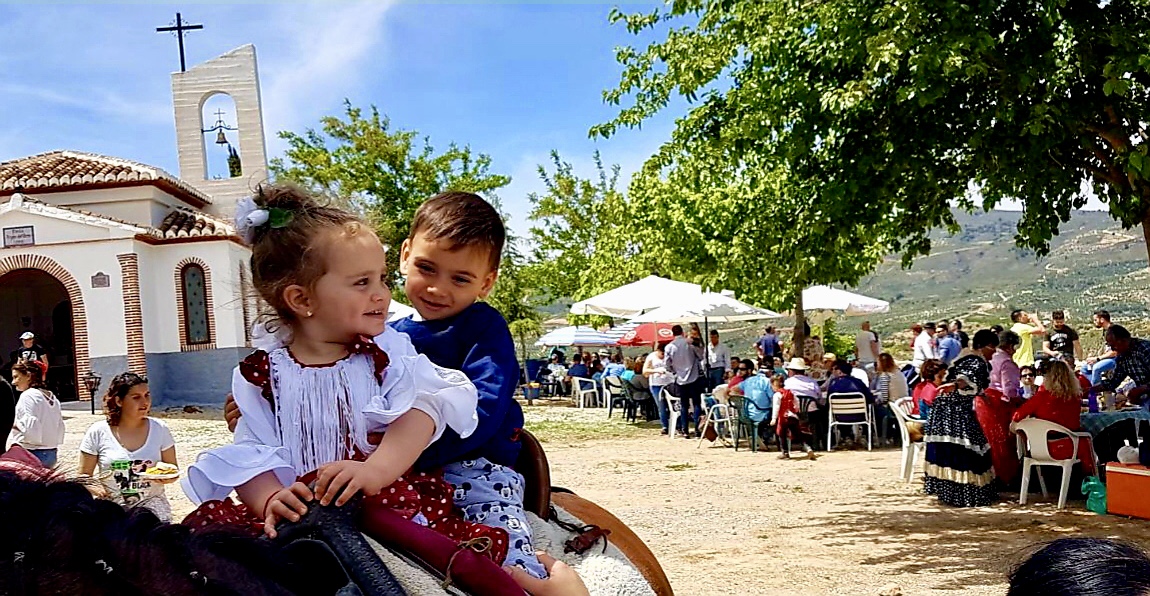
The village has three fiestas: San Cristóbal y Nuestra Señora del Rosario in December; a 3-day celebration in honor of Santa Ana around the 26th of July and on the 13th of May the Romeria de la Virgen de Fátima, with a procession the following Sunday, culminating in a big picnic with lots of food, drink and dancing.
We also have three monuments and the remains of a Moorish castle, although if you’re thinking of paying it a visit, be warned, there’s not much left!

The Beauty of Restabal
Every time I drive back from Melegis towards Restabal, I’m always filled with a mixture of happiness and pride, because it’s such a lovely setting with the pine forest in the background and the white-washed houses popping in the sun surrounded by orange groves and views down to the embalse de Beznar.
Daily life
Daily life is very easy going. In the morning you greet the farmers on their way to the campo to tend to their vegetables and orchards, donkeys pass in the streets as if the industrial revolution never happened around here, and there is always a friendly welcome in the local supermarket – actually there are three of them.
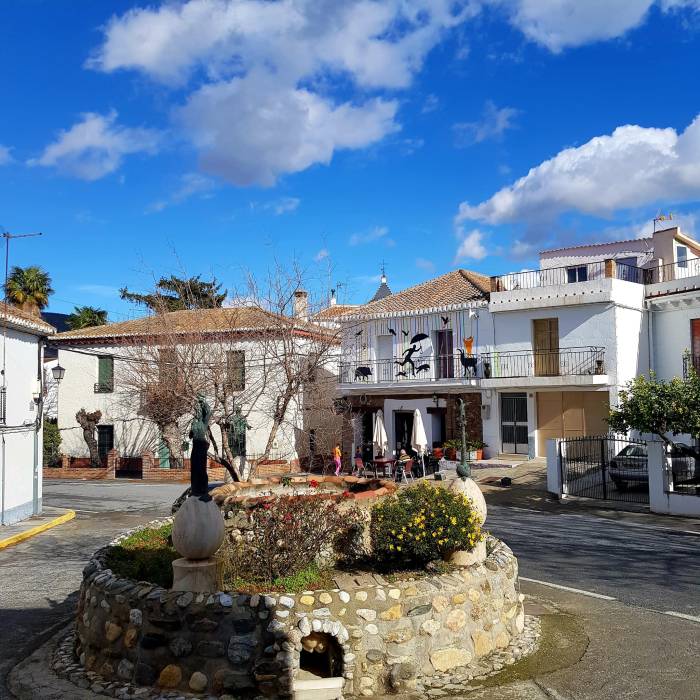
A variety of people visit our village, both Spanish and international and having my office in Restabal I am often in the privileged position of welcoming people who have never been to this area before. Almost without exception, people fall in love with the area and our little pueblo.
Things to do
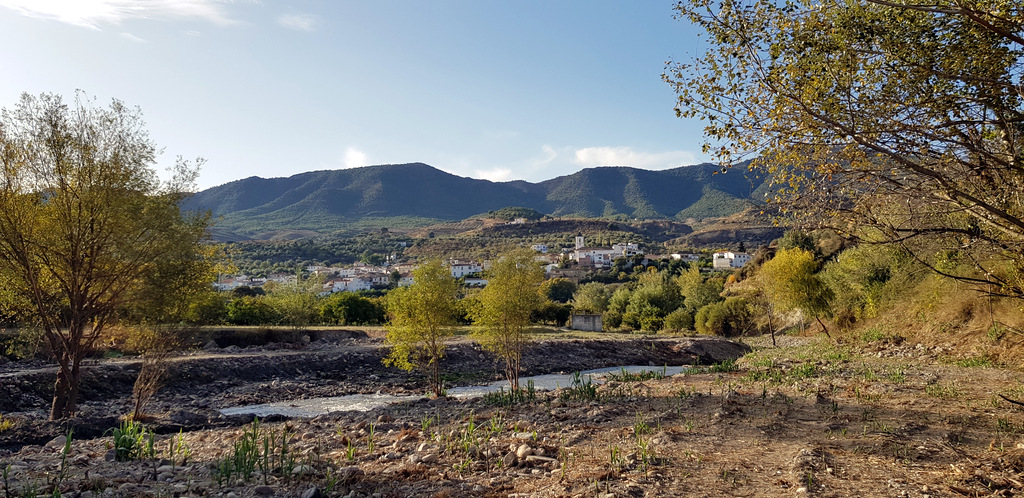
Apart from long walks in stunning scenery, which I personally love to do, the area is also great for cycling with some fantastic routes all over the valley, but many around Restabal itself. At the weekends particularly, you see a great many cyclists making their way through the village with the odd one or two stopping en route for a quick drink on the roadside at Arcos De Manuel or Bar Jovi.
The sports ground/campo deportivo at the top of the village often stages parties and events like Flamenco evenings, but like most things in Spain, they don’t usually start until around 11o/c at night, so make sure you have a siesta first!
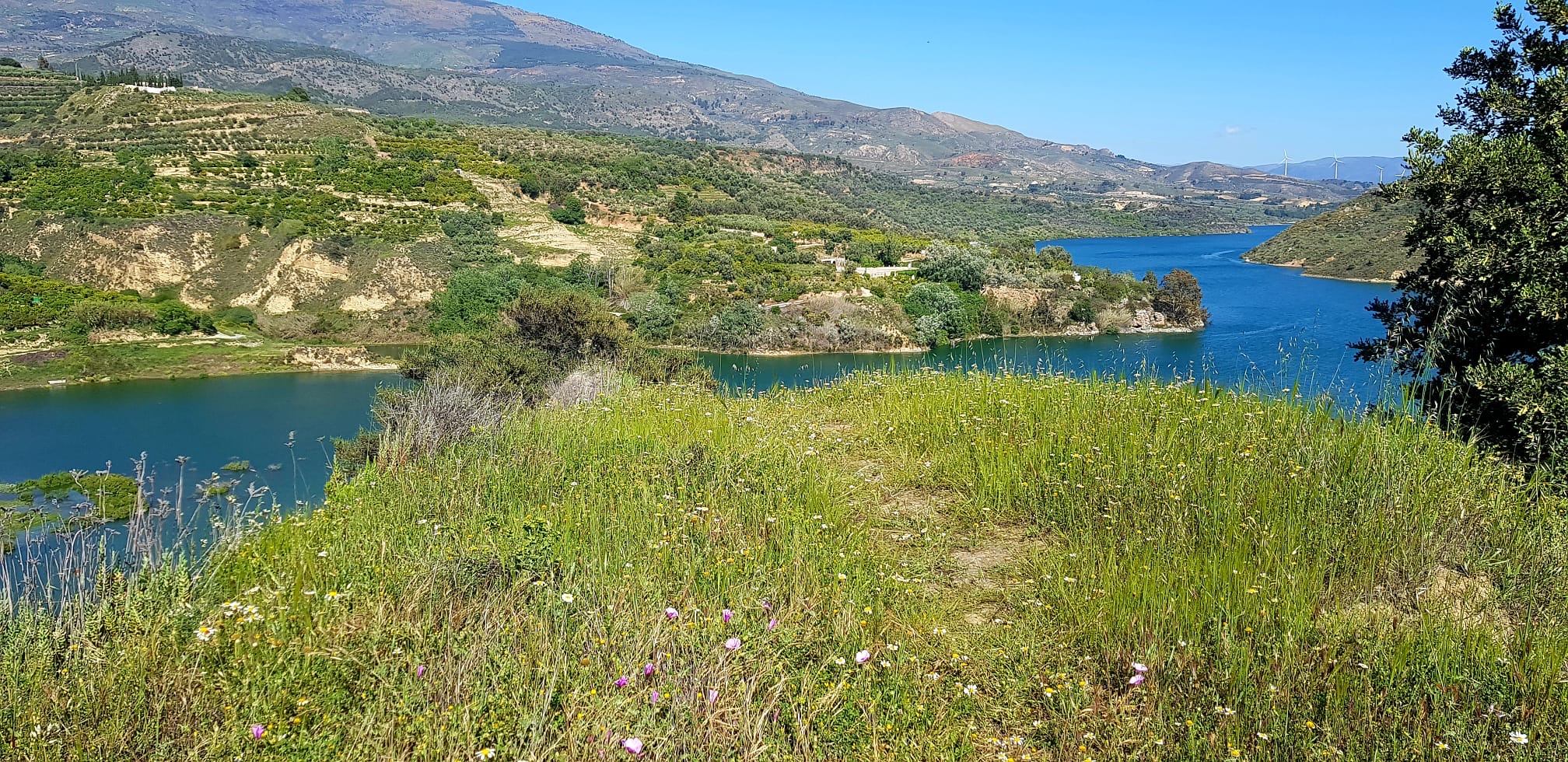
As all the Lecrin Valley residents know and appreciate, Granada is pretty much on our doorstep and the beaches of the Costa Tropical are only half an hour the other way, so we’re in an amazing position of both rural life and closeness to the city and coast.
Restabal is a beautiful village with a warm heart and very friendly people, breathtaking views and surrounding scenery. Ultimately I wouldn’t be anywhere else. It’s a place I feel very much at home and although we´ll always be the “guiri” (a colloquial Spanish name used in Spain applied to foreigners), in the good sense of the word, the more time you spend here, the more you end up feeling like a true Restabeño!
Danielle runs real estate agency, At Home in Andalusia (www.athomeinandalusia.com).
Additional pics taken from El Valle Ayuntamiento website: http://www.elvalle.es and http://www.adurcal.com
Bienvenidos Al Valle de Lecrín!
A couple of years ago we (me, husband, daughter and two cats) were living in Sydney’s Eastern Suburbs, wondering if we were ever going to make a dent into our huge Aussie Homeloan and if we’d be slaves to our jobs forever.
Having moved to Sydney from London in 2001, when you got 2.6 AUD to the British Pound, Australia seemed CHEAP, sunny and full of opportunity. It certainly was sunny and full of opportunity, but cheap? Initially yes, but over the 11 years we lived there, Australia’s economy boomed, house prices soared to the point they now bear no relation to anyone’s salary (even dodgy bank CEOs), interest rates were ridiculous and we started thinking about cashing in our city lifestyle and heading back to the mother continent to buy something we could actually afford to live in, stress free.
With parents in Spain (part time) and a long held idea of having a B&B or a small hotel in Spain, we started to think about the possibilities of moving back to Europe. Not England, “no, gracias”, but somewhere near enough to parents and friends, with cheap flights to Gatwick etc and the warm climate to which we’d become accustomed.
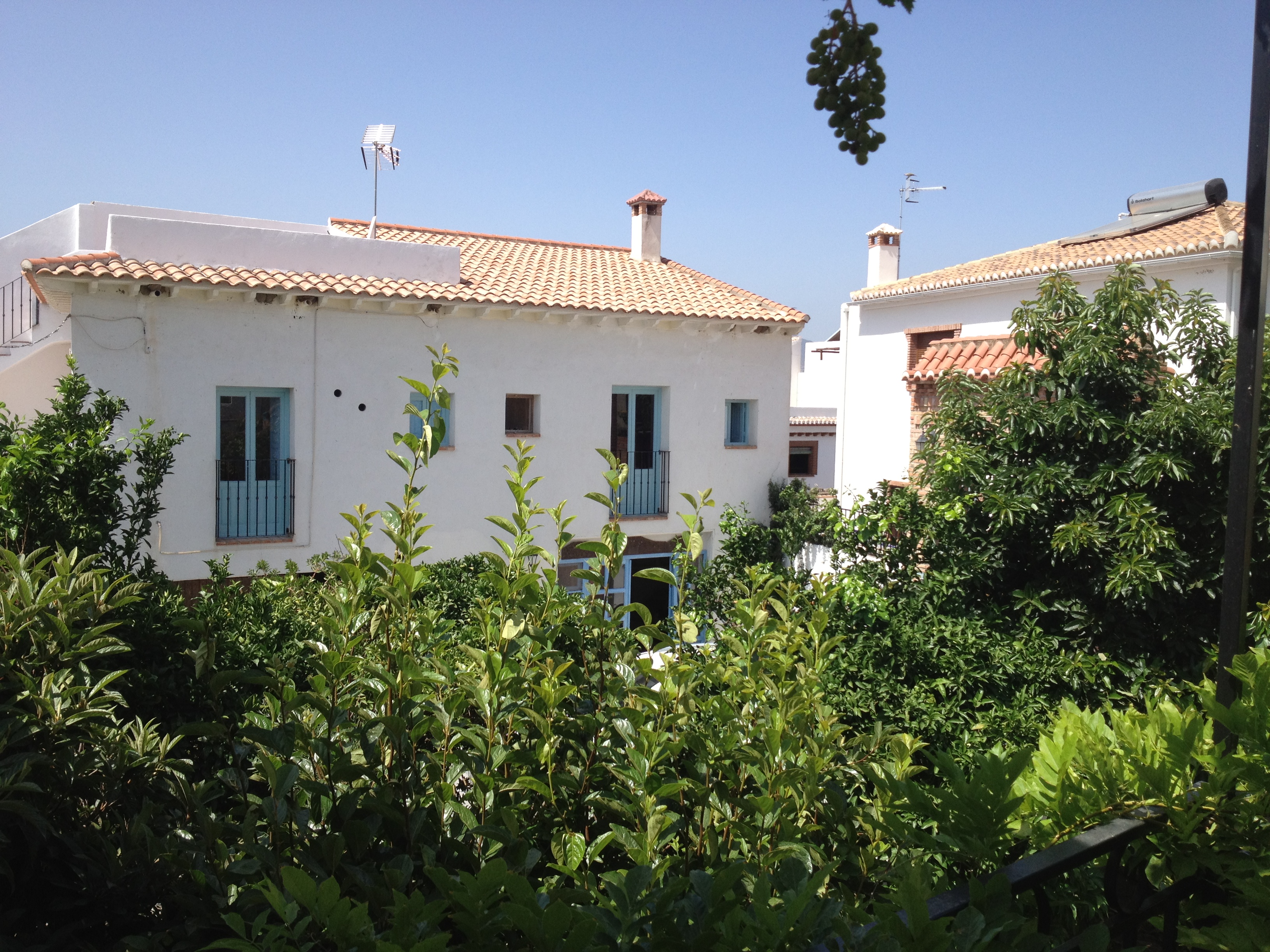 We’d never been to Granada, but everyone who had said what an amazing place it was. And looking at its position on the map we figured somewhere in between the city and the coast would be just perfect. So after a bit of online research (beware online research by the way, things, i.e. houses are not what they appear online), we booked flights and appointments to see houses and just over two years later, after one very disappointing house hunt in Orgiva, and with the help of the lovely Danielle at At Home in Andalusia in Restabal, we bought our own little pocket of the Lecrin Valley and here we are, living in Chite (yes I know. But it’s “ch-ee-tay”, not “shite”. Yawn).
Just south of the historic Moorish city of Granada, the Lecrin Valley is a lovely green, orchard-covered area at the foot of the dramatic Sierra Nevada mountains; a skip (a very steep one) up to The Alpujarra and within half an hour of the beautiful Costa Tropical – it only gets busy there in July and August and is mainly Spanish families on weekend and August breaks, not the usual Brits Abroad, although there are many around if you take a closer look.
Perfect for walkers, cyclists, families, riders, gourmet travellers and skiiers (in the winter obviously though you can waterski on the coast), twitchers and anyone else who loves the countryside, but likes being near amenities and the odd trip to Zara, The Lecrin Valley is pretty much an ideal location for temporary or permanent stays.
 An area of outstanding natural beauty, the Lecrin Valley is famous for its verdant landscape (due to the melt-water run off from the Sierra Nevada), its citrus groves, its walks, birdlife and amazing spring colours.
It has amazing views up to the snow caps of the Sierra Nevada, across to hills towards the coast and down over the orchards to Lake Beznar – a bright turquoise reservoir surrounded by walks, recreation areas and orchards and great for fishing and apparently non-motorised watersports from Beznar village, but you don’t see many on there – hopefully this will change.
According to Wikipedia: “Lecrín derived from Arabic Iqlim, meaning “gateway”: this refers to a small area of land situated between the villages of Mondújar and Talará, which controlled the access to the vast coastal areas of sugar production in Moorish times”. However, the other school of thought is that El Valle de Lecrin actually means “Valley of Happiness” and this is how the residents like to think of it!
Apart from Dúrcal and Padul, which are the area’s biggest and busiest towns, villages are pretty small and agriculture and farming remain the principal occupation for the locals with pine, citrus, almond, olive and grape as the main crops. There is also however many non locals who have started new business like Lavender Farms, restaurants, bars and other service companies, there’s a burgeoning artistic community and the area has a strong musical tradition with lots of concerts throughout the year. Tourism is also a very welcome income for The Valley, especially in Spain’s current economic climate.
Steeped in history The Lecrin Valley has been populated since neanderthal times, was a popular destination for the Romans who built baths here (there are still ruins of some in Mondujar) due to the thermal springs. It then spent a long time under Moorish rule, with the last remaining Nasrid Queen being buried under the historic church at Mondujar. Ruined fortresses and Moorish castles pepper the landscape and the villages are still full of the same Moorish architectural influences as seen in the region’s capital, Granada.
It was also a key region in the Spanish Civil War and while that part of the nation’s history is not particularly talked about, there are references to the struggle in many of the villages’ statues, fiestas, ruins and historic buildings.
Due to its agriculture, warm climate and position mid way between Granada and the Coast, The Lecrin Valley has always been a busy agricultural area. However it suffered greatly under Franco and the population was left significantly depleted. It had started to pick itself up again over the last couple of decades, but with the current recession in Spain, the Valley’s main income (being from Oranges and lemons) has been hit hard as the price of oranges particularly has fallen to such a point that for the smaller growers, it’s not financially viable to even harvest the fruit, so there are many orchards with ripe fruit just left to fall to the ground and many farmers have simply upped and left.
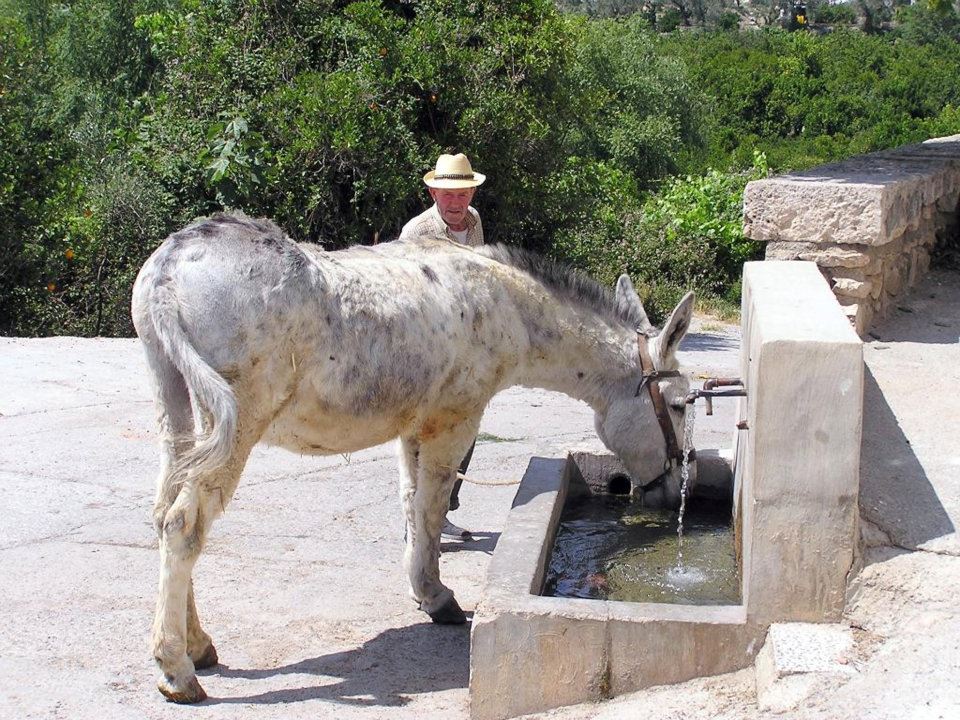 That said, the Lecrin Valley people are resilient and a pretty happy bunch. They love their villages and their lifestyle. They still live pretty much as they have always done. They don’t have to go out for anything. Daily vans bring everything in from bread to bottled water, fish, fruit and even knickers and nighties – I kid you not! There’s nothing you can’t get from a man with a van in the Valley.
Many of the older people have never even been to Granada, let alone to other parts of the country or overseas. And while there has been a marked and regretful exodus of both foreigners and local young people over the last few years due to the GFC, with good communications infrastructure, transport and utilities in most villages, for those who can either commute or work from home, it’s a pretty great place to be and hopefully the Valley’s beauty, affordability and available houses will start to bring in a new generation of Happy Valley residents – Spanish, foreign or a mixture of both.
After all, in the last couple of hundred years alone this place has survived wars, earthquakes, fire and flood, so a little recession: “Pfff. No pasa nada!”